The Centre Never Held, 2025
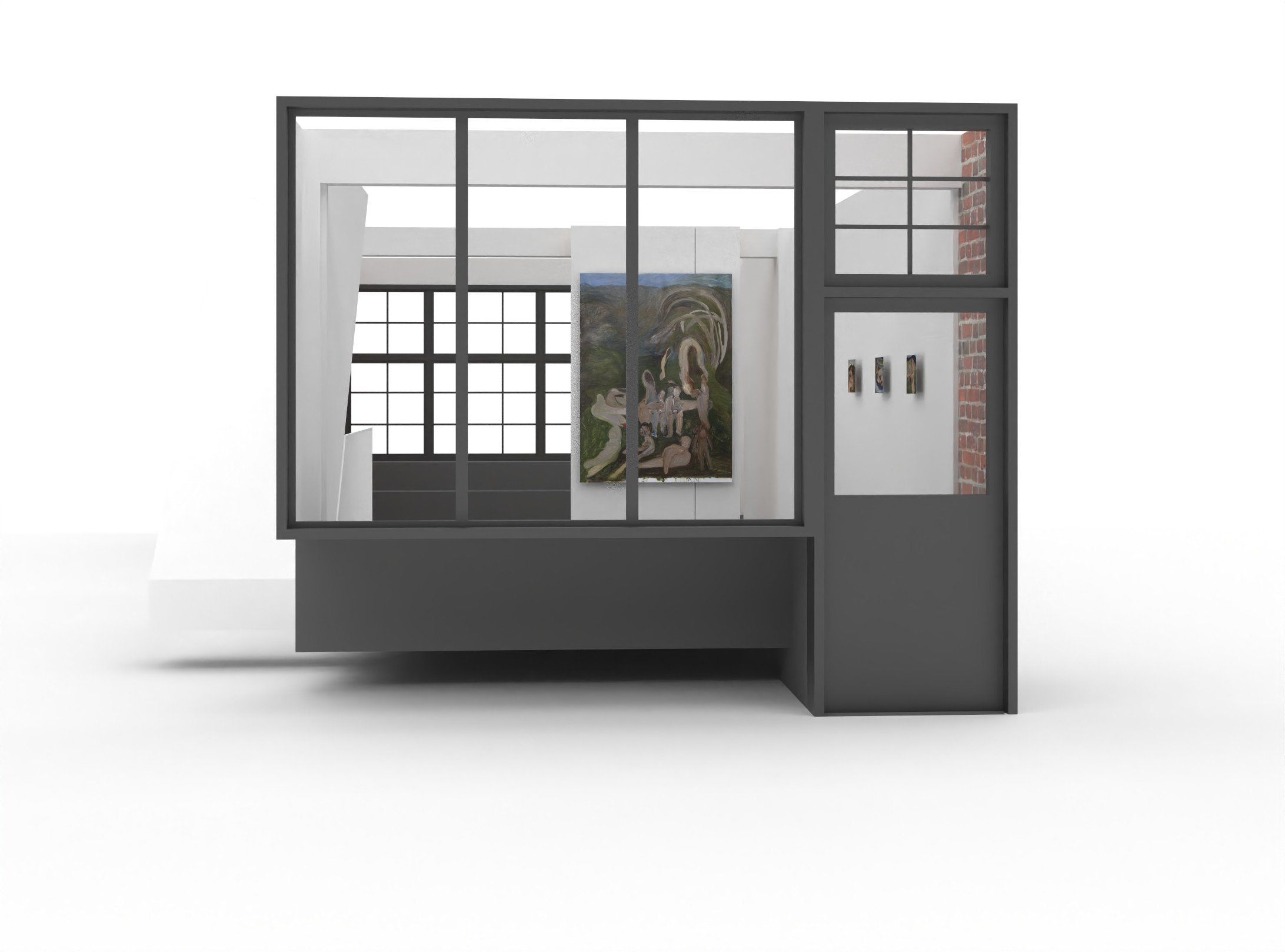

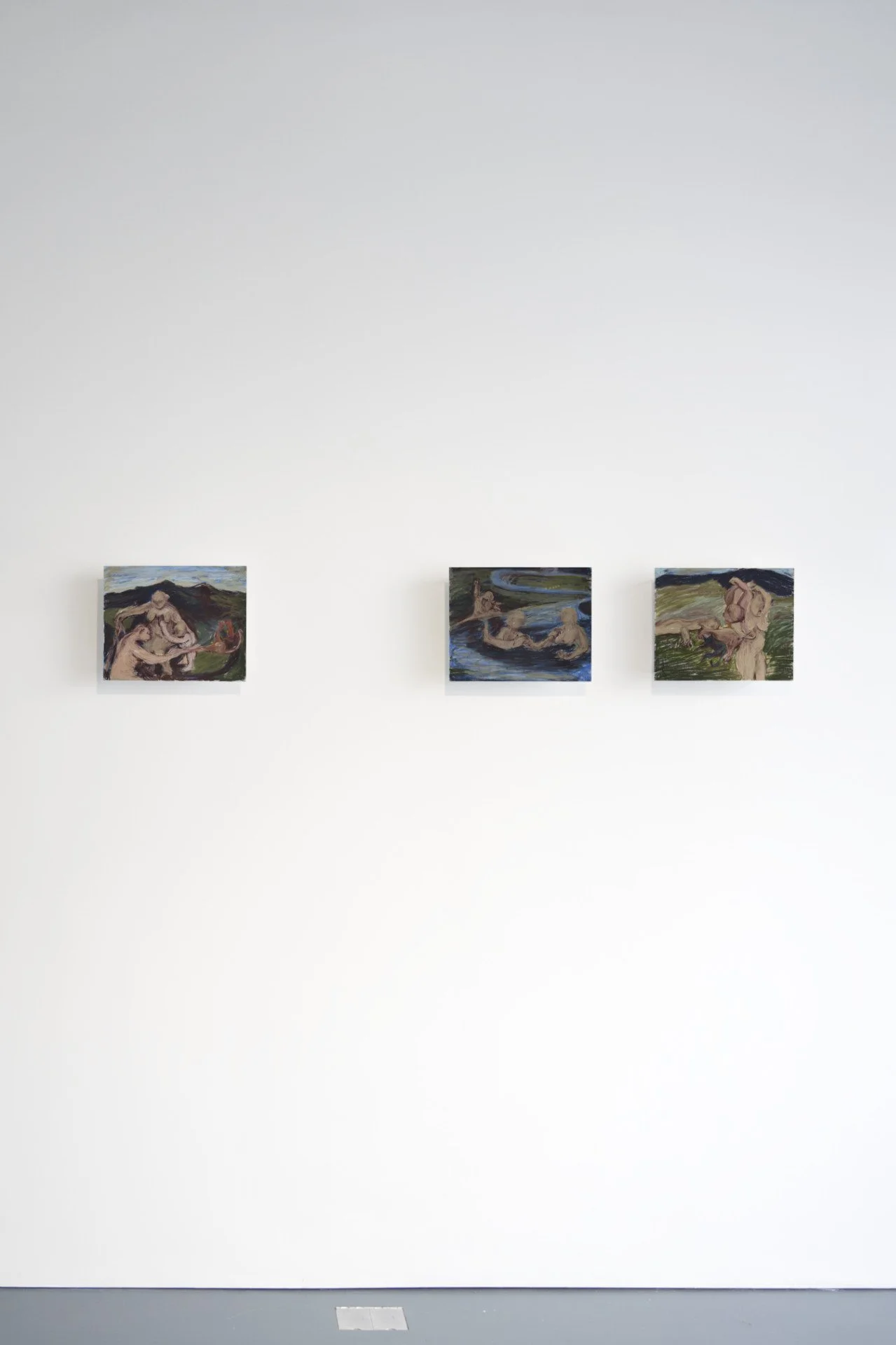
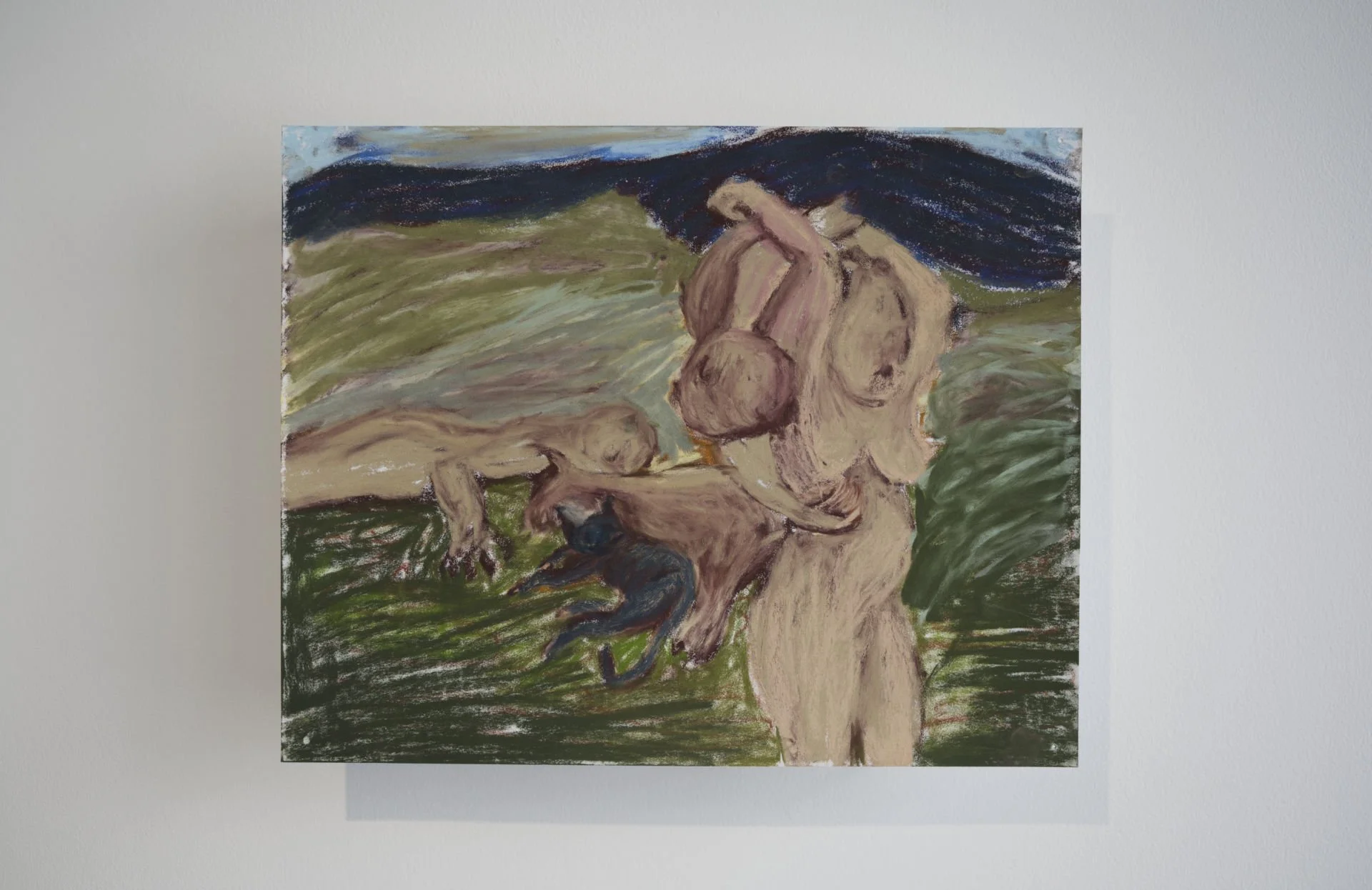
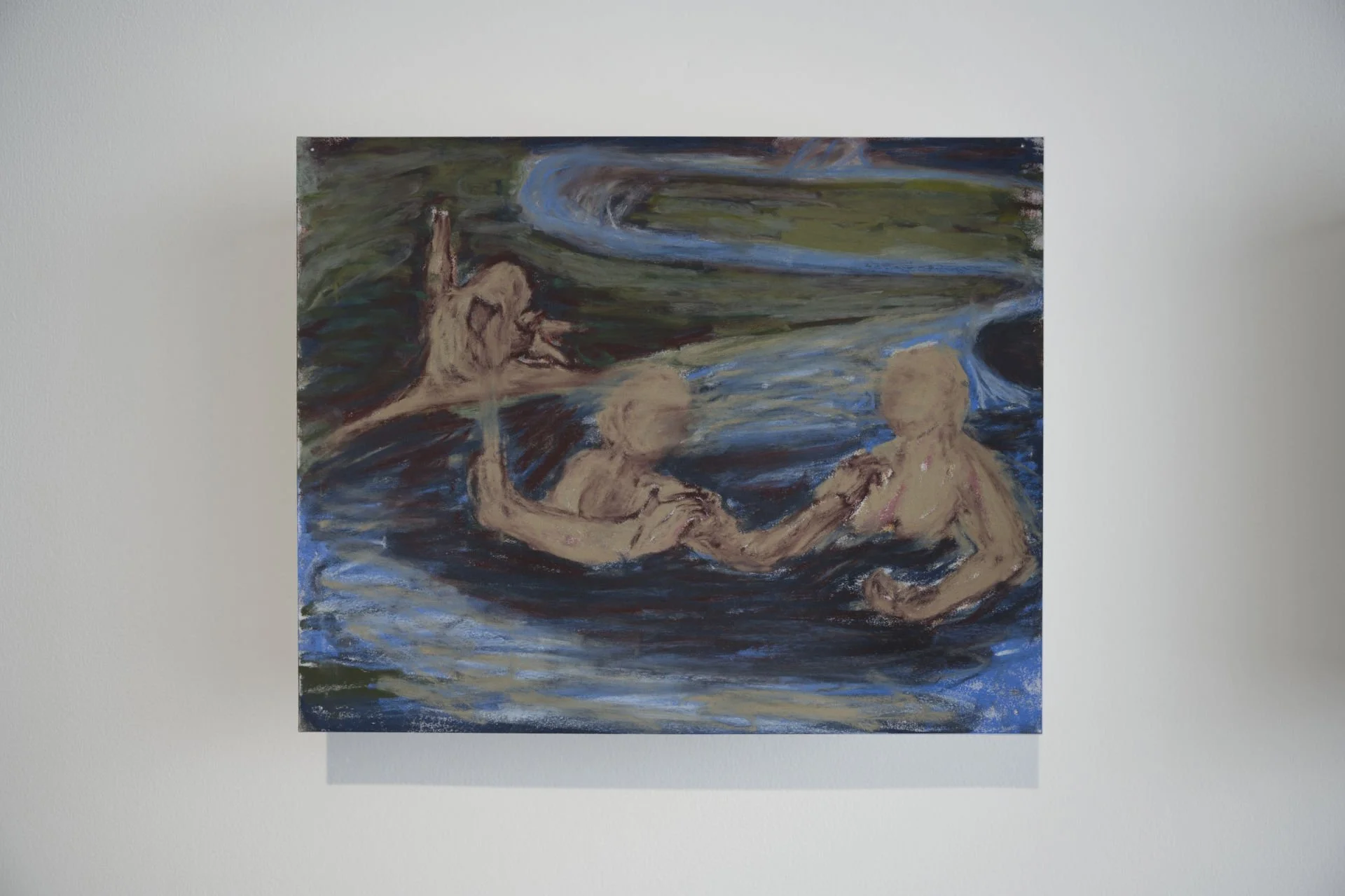
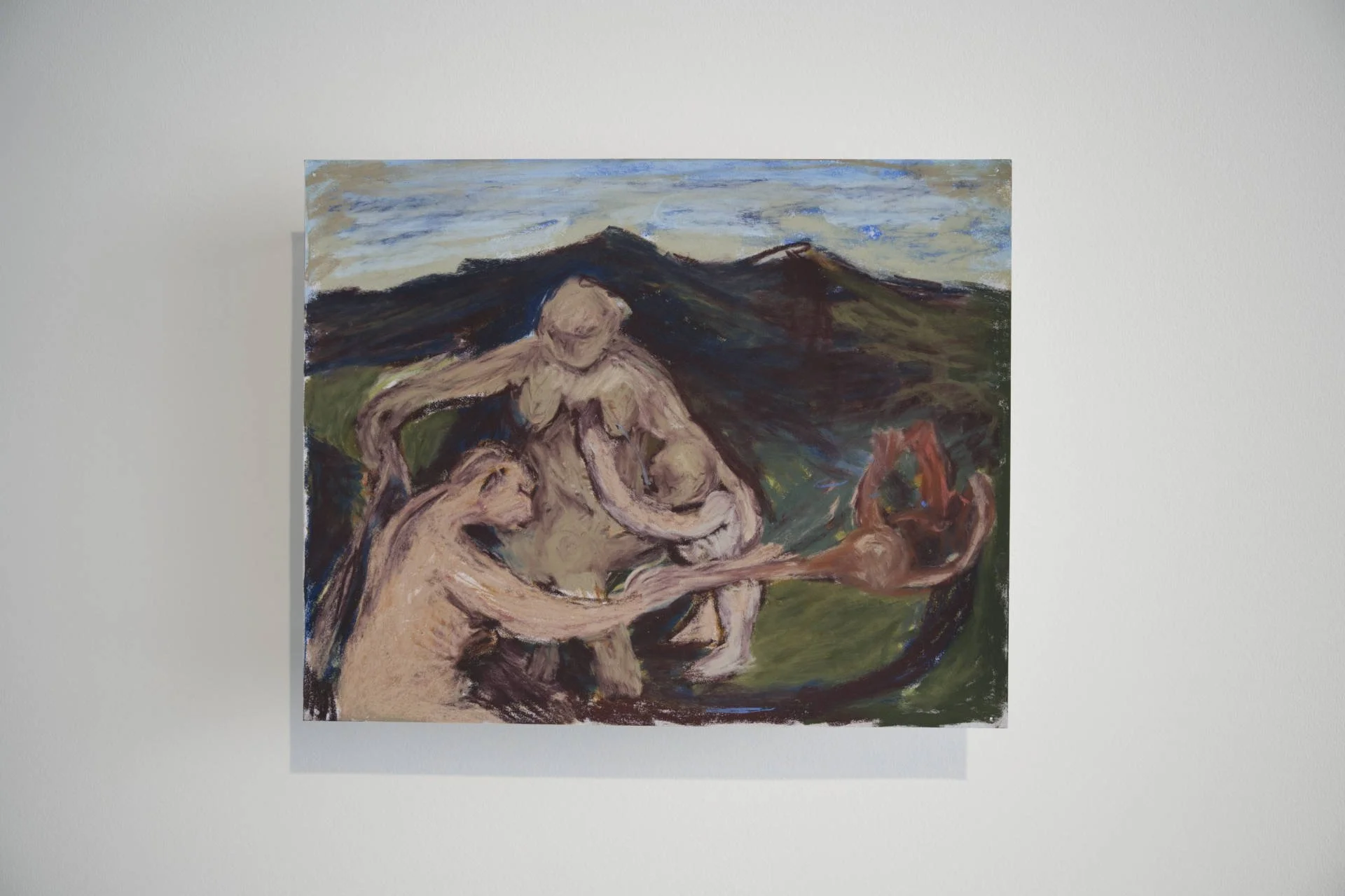
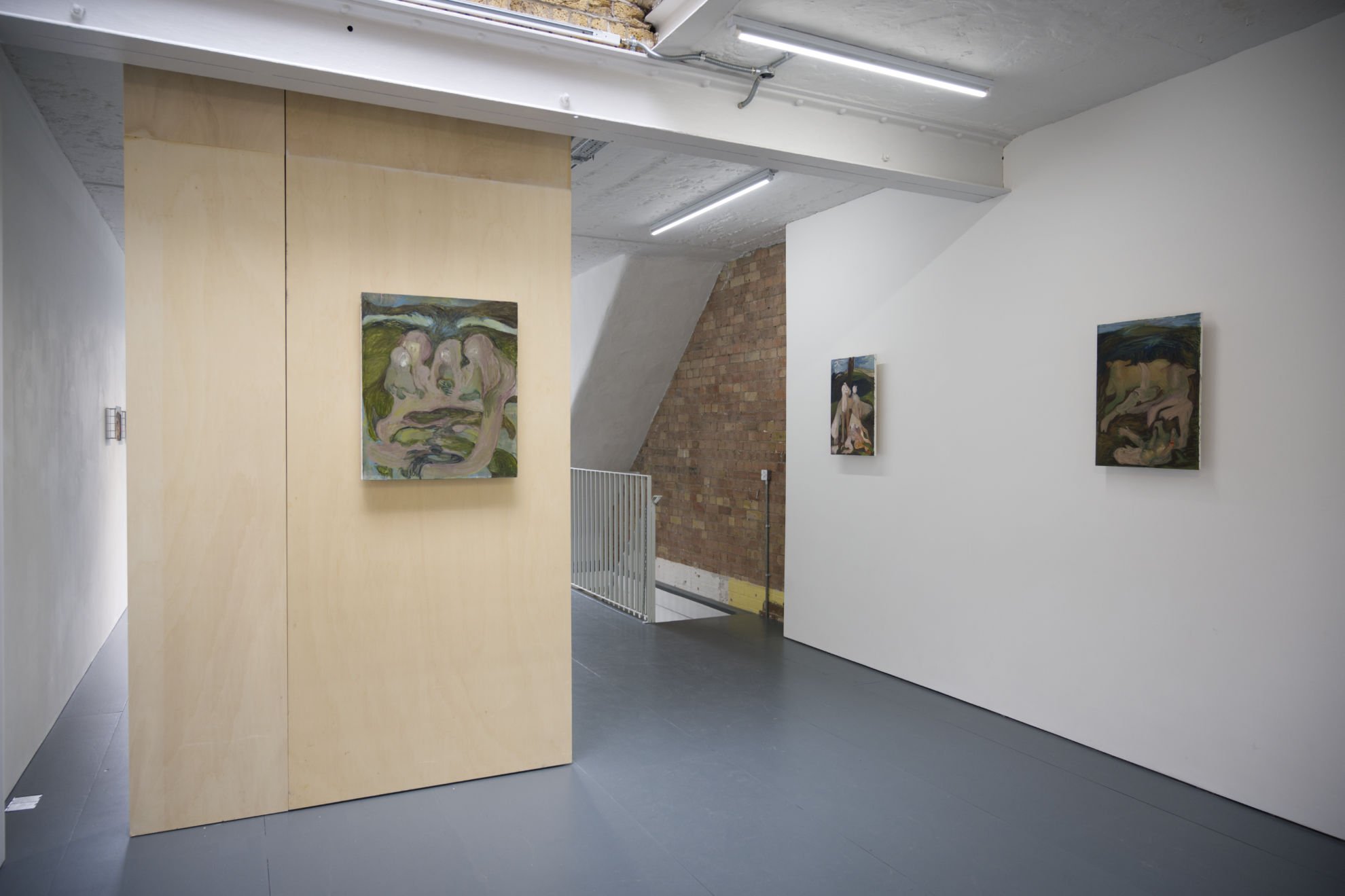

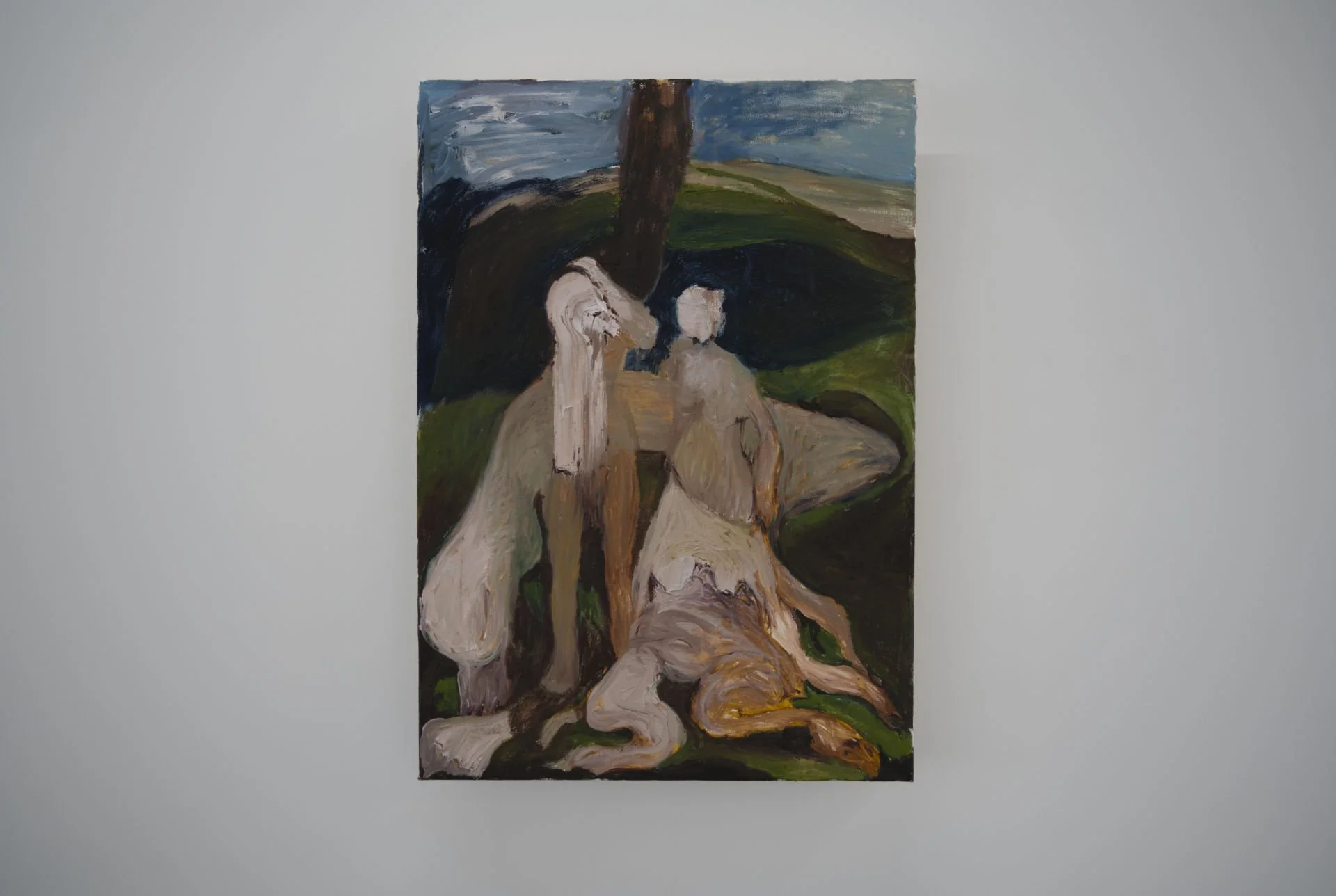
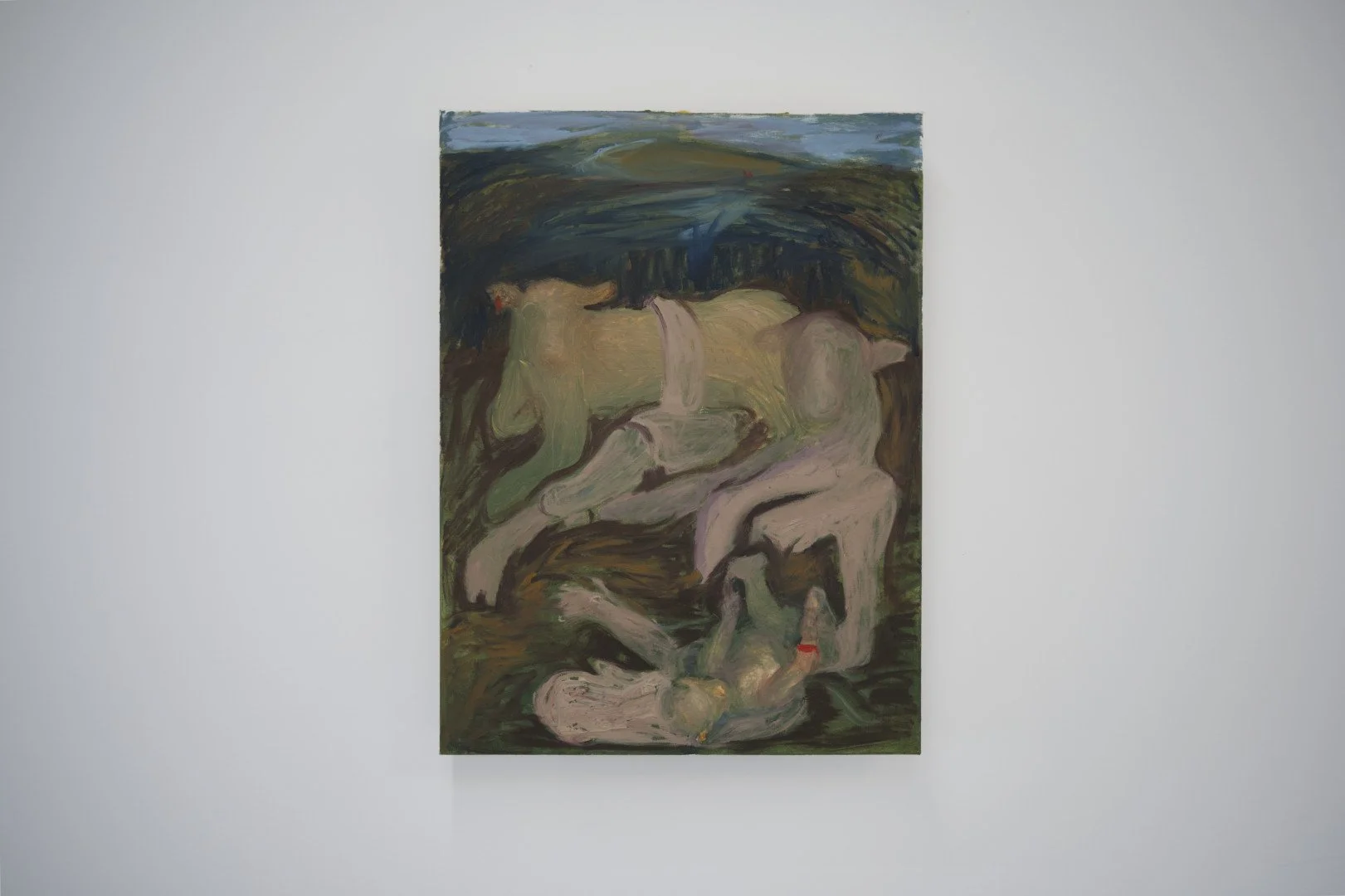

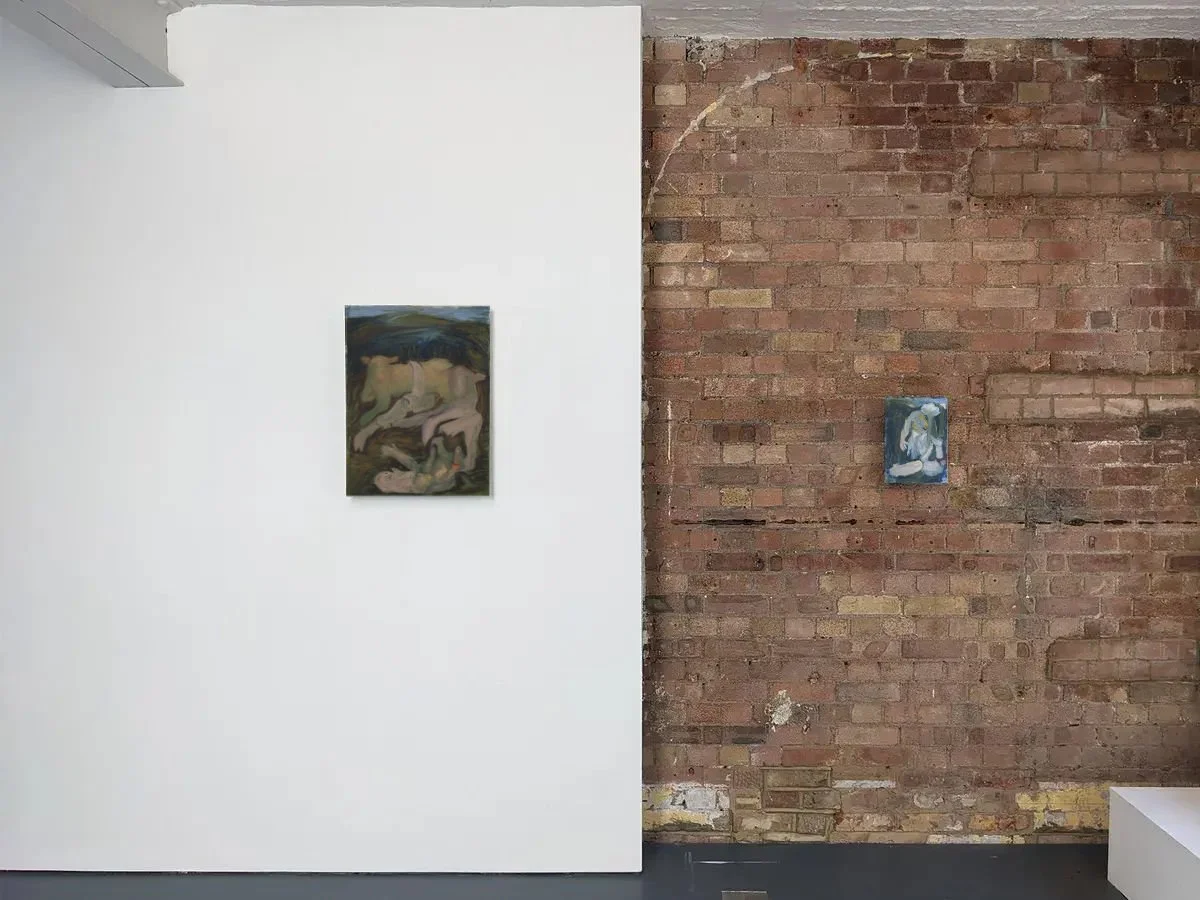


The Centre Never Held probes the fragility and mutability of allegory in painting. Farazmand combines the abstract and figurative to examine how meaning, once rooted in specific cultural, political, or moral contexts, becomes unstable over time and is revealed as a precarious construct, shifting and fragmenting across time and culture.
Farazmand’s work stages a dialogue between the monumental theatricality of Peter Paul Rubens’ Baroque canvases and the narrative subtlety of Kamal al-Din Behzad’s Persian miniatures. Behzad and Rubens were both court painters who served expansionist empires: Behzad under the Timurids and later the Safavids, and Rubens under the Spanish Habsburgs and various Catholic monarchs. Both used images to support imperial authority, though their approaches and cultural frameworks differed.
Farazmand situates these historical works within contemporary anxieties about media representation and the distortions of meaning in today’s visual culture, where a single image fractures into competing interpretations, echoing absurdity and ambiguity. Through these transregional and historical parallels, The Centre Never Held reveals a body of work that traces the erosion of fixed meaning, questions the authority of the image, and invites multiple, even contradictory, interpretations. Revealing painting itself as a site of negotiation, slippage, and critical possibility.
نقاشیهای من نه بر پایهی روایت، بلکه بر اساس تعلیق معنا و ناپایداری مرکز شکل میگیرند. تصویر در این آثار نه نقطهی اوج دارد و نه مسیر خطی؛ معنا بهطور مداوم ظاهر میشود و دوباره فرو میریزد. فیگور، فضا و انتزاع در وضعیتی معلق همزیست میشوند و زمان نه بهعنوان پیشرفت، بلکه بهمثابه بازگشت، رسوب و تکرار بازتولید میشود
©Raha Farazmand